

Maintaining dental health is crucial for general wellbeing. Nonetheless, many people have common dental issues at some point in their lives. If you have common dental problems, then consult Shifa Dental for an instant solution.
We will discuss these common dental problems, their origins, and practical fixes in this in-depth guide to help you get and keep a healthy smile.
Common Dental Problems and Their Solutions
Your comfort, self-esteem, and general oral health can all be impacted by common dental issues. While gum disease frequently necessitates professional cleaning and periodontal maintenance, dental cavities may require dental fillings. Desensitizing toothpaste and good dental care can help reduce tooth sensitivity. Crowns or other restorative procedures may be required for teeth that are broken or cracked. Sometimes an infection requiring root canal therapy is indicated by persistent tooth discomfort.
Dental implants, bridges, or dentures can be used to replace lost teeth. Frequent dental cleanings and exams can identify issues early and prevent them from worsening. Your teeth and gums can also be protected by regular dental checkups, a balanced diet, and good brushing and flossing. Here are the common dental problems and their solutions:
1. Dental Cavities (Dental Caries):
- Causes: Plaque accumulation on teeth causes cavities, also known as dental caries. A sticky layer of bacteria called plaque reacts with the sugars and carbs in our food to make acids.
- Early-stage dental cavities may not show any symptoms, but as they worsen, you may experience pain, dental sensitivity, and noticeable holes or pits in the affected teeth.
Remedies:
- Prevention: Brush, floss, and use fluoride toothpaste as part of a comprehensive oral hygiene regimen. Limit acidic and sugary foods and beverages.
- Dental Fillings: After removing the decayed portion of the tooth, dentists can use amalgam or composite resin to fill the cavity.
- Sealants: dental Cavities can be avoided, particularly in children, by applying dental sealants to the molars and premolars.
2. Periodontal disease, or gum disease:
- Causes: Plaque and tartar buildup on the gum line, which results in inflammation and infection, is a common cause of gum disease.
- Symptoms: Redness, swelling, and bleeding gums might be signs of early-stage gingivitis. Gum recession, tooth mobility, and even tooth loss are possible outcomes of advanced gum disease (periodontitis).
Remedies:
- Frequent dental examinations help identify gum disease early on, when it is easier to treat.
- Deep Cleaning (Scaling and Root Planing): This process smooths root surfaces to prevent bacterial regrowth and removes tartar buildup beneath the gum line.
- Oral Hygiene: Continue your regular dental hygiene routine and think about using an antibacterial mouthwash.
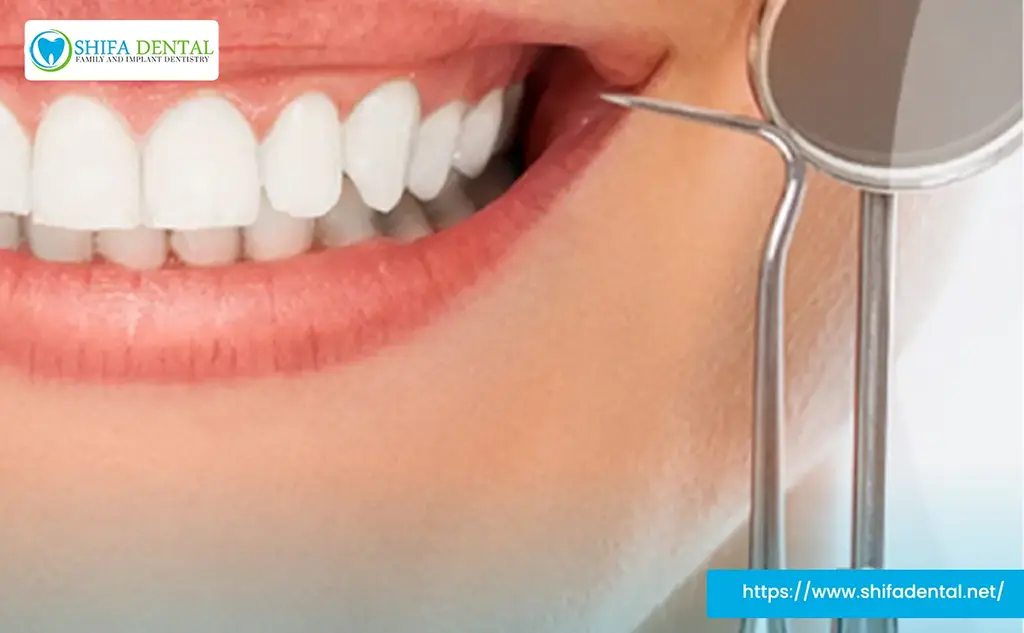
3. Tooth Sensitivity:
Causes: Gum disease, cavities, receding gums, and damaged tooth enamel can all cause dental sensitivity. It happens when the inner layer of dentin is exposed.
Symptoms: When consuming hot, cold, sweet, or acidic foods and beverages, patients with dental sensitivity often experience pain or discomfort.
Remedies:
Desensitizing Toothpaste: By blocking pain signals, specialty toothpaste can reduce sensitivity.
Fluoride Treatment: To strengthen enamel and lessen sensitivity, dentists may use fluoride.
Treatment of Underlying Problems: To reduce sensitivity, deal with the underlying reasons, such as cavities or gum disease.
4. Bad Breath (Halitosis):
- Causes: Smoking, certain foods, gum disease, dry mouth, poor oral hygiene, and underlying medical issues can all contribute to persistent foul smell.
- Symptoms: The main sign of halitosis is an unpleasant breath odor that persists even after frequent brushing and flossing.
Remedies:
- Oral Hygiene: Keep up a complete oral hygiene regimen that includes cleaning your tongue.
- Drink enough water to avoid dry mouth, which frequently results in foul breath.
- Frequent Dental Visits: Dentists can identify and treat oral health problems that cause bad breath.
- Lifestyle Modifications: Quitting smoking and avoiding certain foods can be beneficial.
5. Loss of teeth:
- Causes: Injuries, decay, gum disease, and congenital disorders can all result in tooth loss.
- Symptoms: Common indicators of tooth loss include noticeable gaps in the teeth, trouble chewing, and altered speech.

Remedies:
Dental Implants: The missing tooth root and crown can be permanently replaced by implants.
Bridges: Dental bridges cover the space left by a missing tooth by using neighboring teeth as support.
Dentures: To replace lost teeth, full or partial dentures are detachable prosthetic devices.
6. Teeth grinding, or bruxism:
- Causes: Stress, misaligned teeth, or an irregular bite are common causes of bruxism. It can happen while you’re awake or asleep.
- Symptoms: Teeth grinding can cause migraines, jaw pain, worn teeth, and disturbed sleep.
Remedies:
- Custom-made nightguards prevent teeth from grinding while you sleep.
- Stress Management: Bruxism can be lessened by using relaxation techniques to reduce stress.
- Orthodontic Treatment: Correcting bite problems or misaligned teeth may stop grinding.
7. Cancer of the mouth:
- Causes: Human papillomavirus (HPV) infection, alcohol and tobacco usage, and heredity are some of the causes of oral cancer.
- Symptoms: Persistent mouth sores, red or white patches, pain, difficulty swallowing, and unexplained bleeding.
Remedies:
- Regular Oral Cancer Screenings: During standard examinations, dentists can do screenings.
- Lifestyle Modifications: Reducing alcohol intake and abstaining from tobacco use can lower the risk.
- HPV vaccination: For people who are susceptible to HPV infection.
8. Xerostomia, or dry mouth:
- Causes: Radiation therapy, aging, several medical problems, and drugs can all cause dry mouth.
- Symptoms: Common symptoms include trouble swallowing, frequent thirst, and a dry, sticky mouth.
Remedies:
- Saliva Substitutes: You can moisten your mouth using over-the-counter items.
- Medication Adjustment: If a medication causes dry mouth, speak with a healthcare professional about changing it.
- Maintaining Oral Hydration: Drink water throughout the day to keep your mouth moist.
Conclusion:
The above are some common dental problems. Maintaining oral health requires an understanding of common dental issues and their remedies. Preventing and treating these problems can be greatly aided by routine dental examinations, careful oral hygiene routines, and lifestyle modifications.
Never forget that your dentist is your partner in getting and keeping a healthy smile, so don’t be afraid to seek professional advice if you have any dental issues. If you are facing common oral health problems like the above, then do consult the Shifa Dental team for an instant consultation.
FAQ‘s
Common dental problems include cavities, gum disease, tooth sensitivity, bad breath, tooth loss, teeth grinding, dry mouth, and oral health concerns such as mouth sores. Regular dental checkups can help detect many problems early.
Good oral hygiene is one of the best ways to prevent cavities. Brush twice daily with fluoride toothpaste, floss regularly, limit sugary and acidic foods, and visit your dentist for routine examinations and cleanings.
Treatment depends on how advanced the gum disease is. Professional dental cleanings can help remove plaque and tartar. More advanced cases may require deep cleaning, also called scaling and root planing, along with improved daily oral hygiene.
Tooth sensitivity can occur when dentin becomes exposed due to worn enamel, gum recession, cavities, or gum disease.
You should schedule a dental visit if you experience persistent tooth pain, bleeding or swollen gums, sensitivity, bad breath, loose teeth, or other unusual changes in your mouth. Early treatment can help prevent dental problems from becoming more serious.