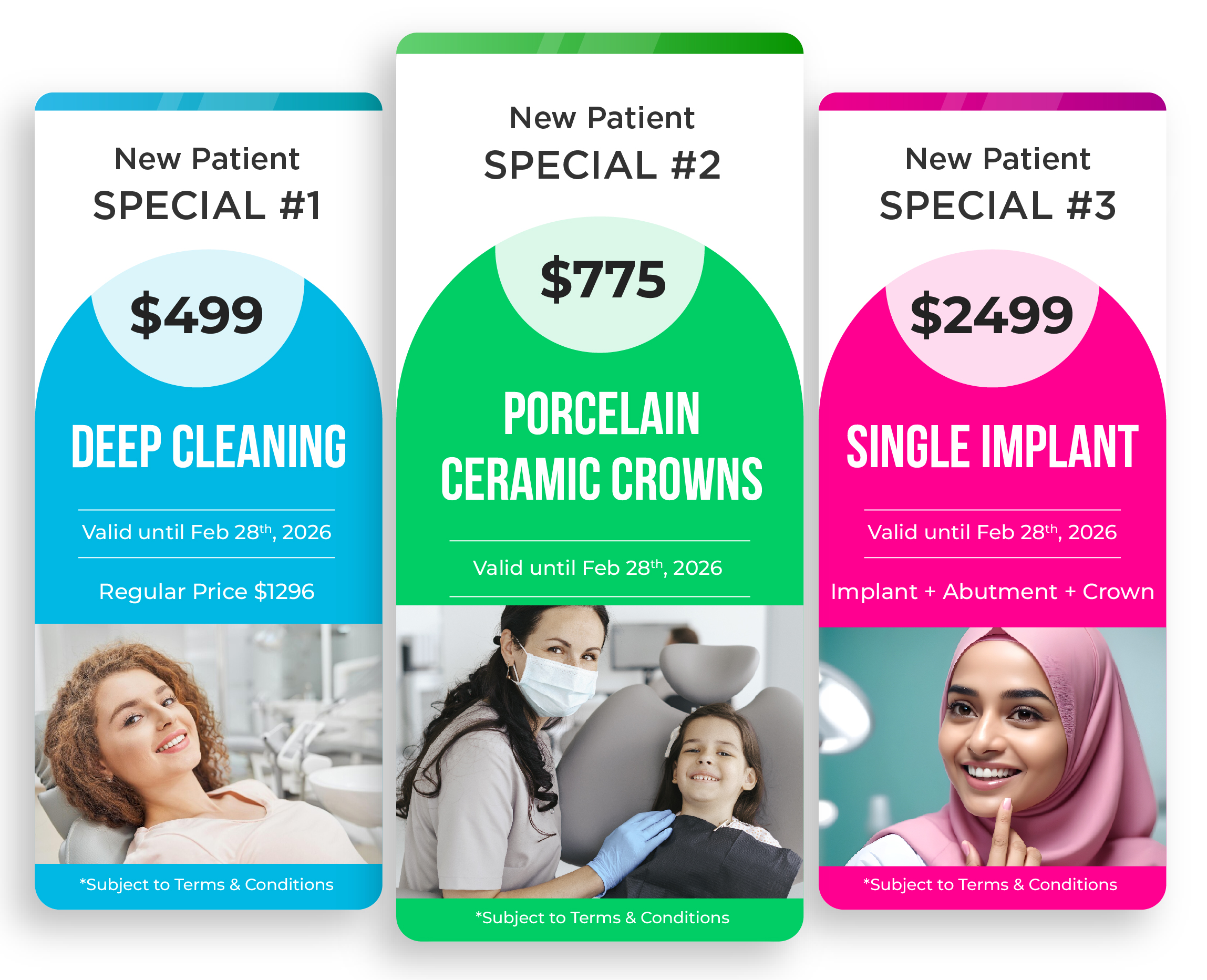


Comparing the cost of dental implants is easier when you compare the treatment plan, not just the headline number. Shifa Dental currently lists broad ranges. The listed range is $2,500 to $6,000 for a single dental implant, $6,000 to $15,000 for an implant-supported bridge, and $15,000 to $30,000 or more for full-mouth implant treatment. These are treatment-dependent ranges from the practice’s dental implant service page, not a personal quote or guarantee. A useful estimate should show what is included, what may be added, and whether the plan covers one arch or both.
Review dental implant options and request a consultation
Key Takeaways
- Compare the full treatment scope, not only the headline price.
- Ask whether the plan includes the implant, abutment, restoration, imaging, follow-up, and any possible added care.
- Confirm whether a full-mouth estimate covers one arch or both.
- Ask the dental team to explain which option fits your clinical findings and goals.
Why two dental implant estimates may look different
A dental implant plan combines diagnosis, surgery, healing, and a replacement tooth or other restoration. One office may present these stages as one package, while another may list them as separate line items. Two totals can therefore look different even when both plans address a missing tooth. They may not describe the same number of teeth, the same restoration, or the same follow-up care.
How to compare the cost of dental implants
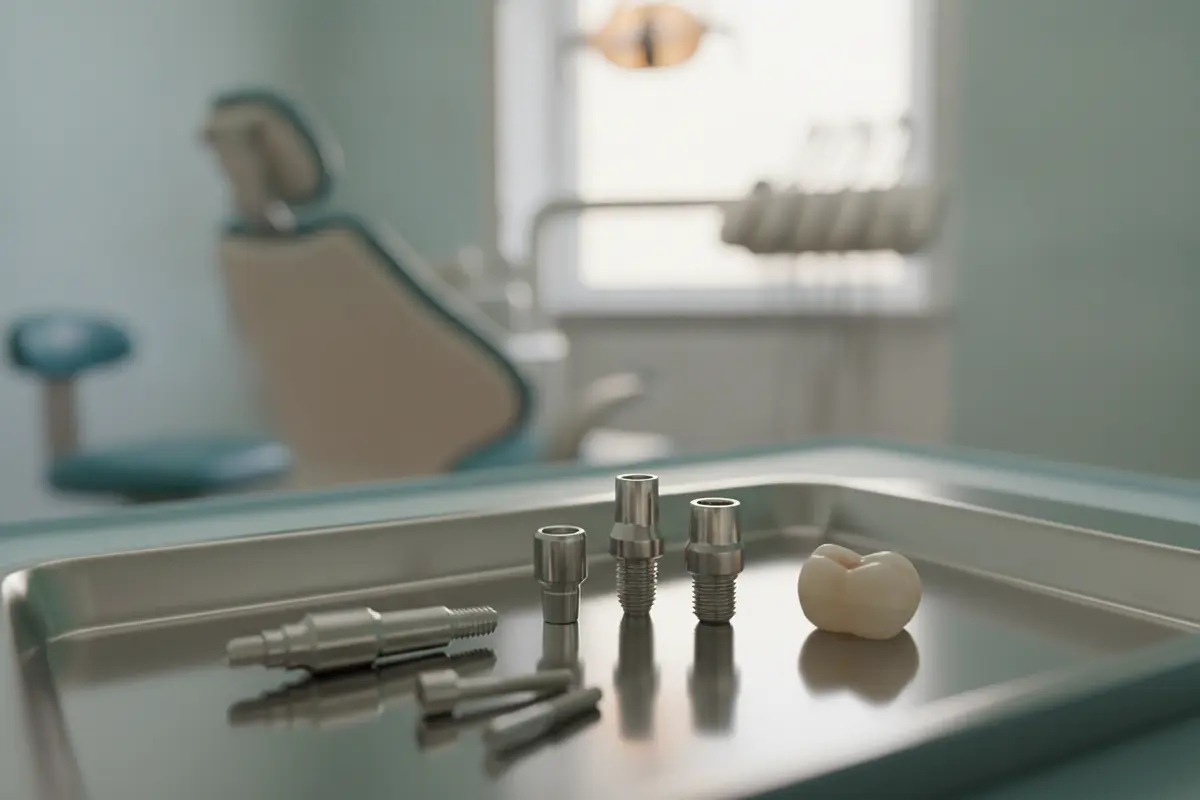
Start by asking each office to define the treatment question in plain language. Is the plan for one missing tooth, several neighboring teeth, or a full arch? Is the proposed restoration a crown, an implant-supported bridge, a denture, or another design? Does the estimate include the implant fixture, the abutment, and the final restoration, or are some components listed separately?
The word “implant” does not identify the complete treatment by itself. The implant fixture is placed in the jaw, but the visible replacement may be a crown, bridge, or full-arch prosthesis. The number of fixtures may also differ from the number of teeth being replaced. A bridge can replace multiple teeth without requiring one implant for every tooth. Ask for the planned design before comparing prices.
Start with the treatment scope, not the total
Request a written summary that names the area being treated and the proposed sequence. For a single missing tooth, the plan may include an evaluation, imaging, implant placement, a healing period, an abutment, and a final crown. For several missing teeth, an implant-supported bridge may be recommended. A full-arch plan has different planning, implant placement, and restoration considerations.
The scope should answer these questions:
- Which tooth or teeth are being replaced?
- How many implants are proposed, and where will they be placed?
- Which restoration is planned, and is it temporary or final?
- Does the plan cover one arch or both arches?
- Which visits are included in the stated estimate?
- Which services are possible additions if the examination finds another need?
A plan that does not answer these questions is difficult to compare with another plan. Ask the office to identify assumptions in writing rather than trying to infer them from a single number.
For current local context, Shifa Dental’s dental implants service page lists the following broad treatment ranges. The page also states that exact cost depends on the number of implants, restoration type, bone grafting or other additional procedures, materials, and treatment complexity.
| Treatment scope | Published Shifa Dental range | What to confirm before comparing |
|---|---|---|
| Single dental implant. | $2,500 to $6,000. | Whether the estimate includes placement, abutment, crown, imaging, and follow-up. |
| Implant-supported bridge. | $6,000 to $15,000. | How many teeth and implants are included, and whether the final bridge is included. |
| Full-mouth implant treatment. | $15,000 to $30,000 or more. | Whether the scope covers one arch or both, the planned implant arrangement, and the final restoration. |
These ranges help frame a conversation, but they do not determine which treatment is appropriate. If a written plan uses a different category, ask the dental team to explain how its scope relates to the categories above.
Where All-on-4 may fit in the discussion
When several teeth or a full arch need attention, ask whether an All-on-4 approach is among the options to discuss. Shifa Dental has a separate All-on-4 dental implants service page, but a service page does not determine whether the treatment is suitable for a particular patient. The number of implants, the planned restoration, imaging, bone support, and clinical findings all need to be reviewed before comparing an estimate.
All-on-4 should not be compared with a single-tooth implant range as though they were the same treatment. Ask which arch is being treated, what restoration is planned, whether a temporary option is included, and which follow-up visits are part of the proposed scope.
Check the restoration and materials
The replacement attached to an implant affects both the treatment design and the estimate. A single crown, a bridge, and a full-arch prosthesis are not interchangeable. Ask whether the proposed restoration is temporary or final, what material is planned, and whether laboratory work is included in the stated amount.
Materials should be discussed in relation to the location of the missing tooth, bite, appearance goals, and clinical recommendation. Do not assume that a higher-priced material is automatically necessary or that a lower-priced option provides the same design. The right comparison is between two plans that address the same clinical goal and list the same restoration stage.
If you are comparing an implant with a bridge or denture, ask how the options differ in treatment steps, maintenance, function, and long-term planning. Shifa Dental’s guide to dental bridges versus implants can help you prepare questions, but an examination is needed to discuss which option may fit your situation. Its content should not be treated as an individualized recommendation.
Ask what imaging and planning are included
Imaging helps the dental team evaluate the treatment area and plan the next step. The recommended imaging depends on the clinical question and the person’s anatomy, history, and proposed treatment. A quote should identify whether imaging is included, billed separately, or recommended only after an initial evaluation.
Ask what the imaging is intended to show and how its findings could change the treatment sequence. Do not assume every patient needs the same scan or that a scan by itself confirms candidacy. Shifa Dental’s article about CBCT imaging for dental implants provides background questions for a consultation. The treating dental professional should explain which imaging is appropriate for an individual case.
Planning may also include photographs, models, a bite assessment, or other diagnostic steps. If those services appear on one estimate but not another, ask whether they are included elsewhere or have not yet been recommended. The goal is to compare complete plans, not to choose the plan with the fewest visible line items.
Separate required care from possible added care
Some patients need preparation before implant placement, while others do not. Bone grafting or another procedure may be discussed when the examination identifies a need related to bone support or the proposed restoration. The estimate should distinguish recommended treatment from care that would be considered only if a finding is confirmed.
Ask these questions when an additional procedure appears on a plan:
- What finding supports the recommendation?
- Is the procedure required before placement or simply one possible option?
- Are materials, anesthesia, follow-up visits, and related imaging included?
- Does the procedure change the expected sequence or healing interval?
- Is its fee separate from the implant placement and restoration?
Shifa Dental’s bone grafting service page explains that the need for grafting depends on the patient’s situation. It does not establish that every implant patient needs a graft or provide a universal implant estimate. Keep that distinction clear when comparing treatment plans.
Understand the timeline behind the estimate
Implant treatment often occurs in stages. Depending on the plan, appointments may include an evaluation, imaging, placement, healing checks, and delivery of a final restoration. Implants typically need about 3 to 6 months to integrate with the jaw, but timing varies with the case and the treatment sequence. A projected timeline is not a promise of a particular healing result or completion date.
Ask whether a temporary tooth or interim restoration is included and when the final restoration is expected. Also ask which follow-up visits are part of the estimate and what could change the schedule. A plan that appears less expensive may simply postpone a stage or list it separately, so compare the full sequence.
For general background on stages, Shifa Dental’s dental implant procedure guide may help you prepare. The American Dental Association’s MouthHealthy implant information also explains general implant treatment considerations. These resources are educational and do not replace an examination or written plan.
Compare insurance and payment information carefully
Insurance benefits are based on the individual policy and the services in the treatment plan. Ask whether the implant, abutment, crown, bridge, imaging, and any preparatory care are considered separately. Confirm exclusions, waiting periods, annual limits, replacement-tooth limitations, and any required review with the insurer. A benefits estimate is not a guarantee that the insurer will pay a specific amount.
Shifa Dental states that it accepts most insurance plans, but patients still need to verify their own coverage. Its implant insurance questions guide can help organize that conversation. Bring the written treatment plan when asking the insurer for a benefit estimate so the questions match the proposed services.
If you are considering payment options, ask which current options apply to the proposed treatment, whether an application or approval is required, and what terms, fees, and repayment schedule apply. Payment availability can depend on the applicant and the treatment. Do not compare a financing advertisement with a treatment fee as if they were the same kind of number, and do not treat approval as guaranteed.
Use a line-by-line estimate checklist
Before choosing between estimates, place them side by side and mark whether each plan answers the same question. This is more useful than comparing only the final totals.
- Confirm the diagnosis and treatment area.
- Record the number of proposed implants and the teeth or arch being treated.
- Identify the temporary and final restoration.
- Mark whether imaging and planning are included.
- Separate placement, abutment, restoration, laboratory, and follow-up charges.
- List any bone grafting or other possible added procedures.
- Ask how long the estimate remains valid and what could change it.
- Verify insurance questions with the insurer and payment terms with the provider.
- Ask what alternatives were considered and why.
- Request clarification of any line item you cannot explain in your own words.
A second opinion can be useful when two recommendations differ or when the written scope is unclear. Bring both estimates and ask the dentist to identify which clinical findings account for the difference. A lower total is not necessarily a lower price for the same care if it leaves out a stage, restoration, or possible preparatory procedure.
Choose Plano or Garland in the appointment scheduler.
Why choose Shifa Dental for implant planning?
Shifa Dental provides dental implant information and consultation paths for patients in Plano and Garland. Its service pages explain different implant scopes, including single implants, implant-supported bridges, full-mouth treatment, and All-on-4 options. The practice also provides a shared scheduler where patients choose Plano or Garland.
The value of a consultation is the opportunity to review your findings, options, timing, and written estimate with the dental team. Ask for the treatment scope to be explained clearly, and verify which office and clinician are available for the care you are considering. Shifa Dental’s dental implants service page is a starting point for those questions, not a guarantee of a specific procedure on a particular day.
How to prepare for a dental implant consultation
Write down which teeth are missing, what you want the replacement to do, and what concerns you have about treatment time, appearance, chewing, or cost. Bring prior estimates, relevant dental records, and a list of medicines or health conditions that may affect planning. Ask whether the evaluation and any recommended imaging are available at the office you select.
The shared appointment scheduler asks patients to choose Plano or Garland. Select the preferred office before relying on the address shown for the appointment. Shifa Dental lists its Plano office at 5509 Pleasant Valley Dr #90A, Plano, TX 75023, and its Garland office at 1918 N Plano Rd, Garland, TX 75042. A service page describes treatment information, but it does not establish which procedure or clinician is available on a particular day at a particular office.
At the consultation, ask for a written plan that separates the diagnosis, number of implants, restoration, imaging, possible added care, follow-up, and payment questions. That document gives you a fair basis for comparing the cost of dental implants without treating a broad online range as a personal quote.
Frequently asked questions
What is the cost of dental implants?
Shifa Dental’s current service page lists broad treatment ranges. It lists $2,500 to $6,000 for a single dental implant, $6,000 to $15,000 for an implant-supported bridge, and $15,000 to $30,000 or more for full-mouth implant treatment. These ranges depend on the number of implants, restoration type, additional procedures, materials, and complexity. An examination and written plan are needed for a personal estimate.
Why do implant estimates differ?
Estimates can describe different teeth, implant counts, restorations, imaging, preparation, laboratory work, follow-up, or arches. Ask each provider to list the complete sequence and identify what is included or billed separately before comparing totals.
Does the full-mouth range cover one arch or both?
Do not assume. Ask the provider to define whether the plan covers one arch or both, how many implants are proposed, and which final restoration is included.
Does every implant patient need bone grafting?
No. Bone grafting is considered when the dental assessment supports it for the proposed treatment. Ask which finding led to the recommendation and whether its fee, materials, and follow-up are separate.
Will insurance pay for my implants?
Coverage depends on the policy and the services in the written plan. Ask the insurer about each component and confirm the details with the dental office. A benefits estimate does not guarantee payment.
How long does implant treatment take?
The schedule varies by case and may involve evaluation, placement, healing, and restoration visits. Implants typically need about 3 to 6 months to integrate, but the dentist should explain the expected sequence for your treatment.
If you are comparing the cost of dental implants, request a consultation at the Plano or Garland office you prefer and ask for a written estimate that defines the full treatment scope. A clear plan can help you compare options without confusing a broad range with a guaranteed fee.