

Dental Implants in Plano TX are a permanent tooth replacement solution that restores both function and appearance when you’ve lost one or more teeth. Unlike dentures or bridges, dental implants Plano TX patients choose integrate directly into the jawbone through a process called osseointegration, mimicking the strength and stability of natural tooth roots. If you’re exploring options to replace missing teeth in North Dallas, this guide covers everything you need to know—from the procedure itself to cost, timeline, and what to expect at your Plano dental office.
What Are Dental Implants and Why Choose Them in Plano?
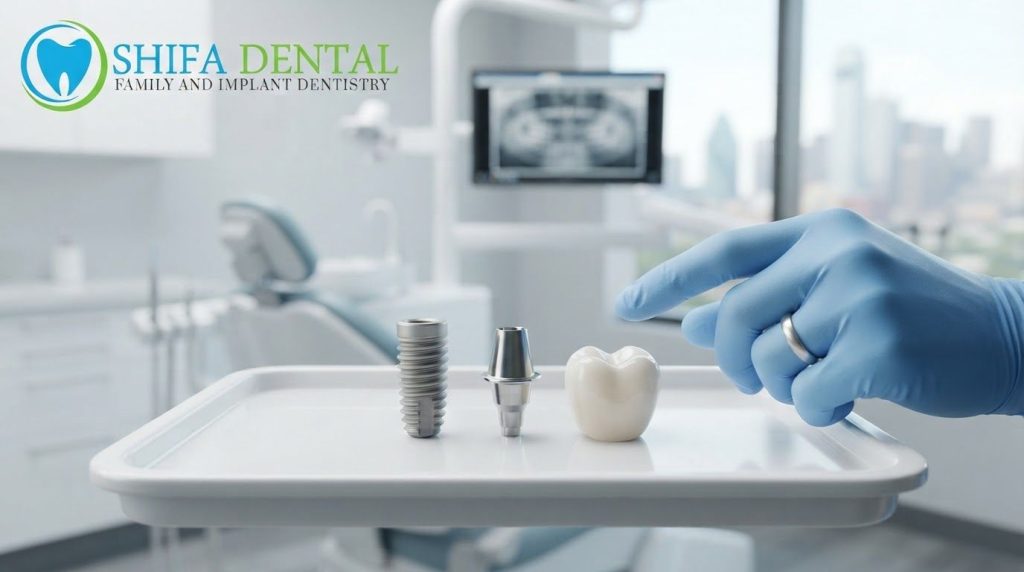
A dental implant is a small titanium post surgically anchored into your jawbone, serving as an artificial tooth root. Once osseointegration occurs—the process where bone cells grow around and fuse with the implant—a custom crown (the visible tooth) is attached to an abutment (connector piece), creating a restoration that feels and functions like a natural tooth. In Plano and surrounding North Dallas communities, dental implants Plano TX patients select offer significant advantages over traditional bridges or dentures: they don’t require grinding down adjacent healthy teeth, they preserve bone structure, and they restore full chewing power.
Why Implants Outperform Other Replacement Options
When you lose a tooth, the underlying jawbone begins to resorb (shrink) because it no longer receives stimulation from the tooth root. Dentures and bridges sit on top of the gum and bone, accelerating this loss. Dental implants in Plano, TX work differently—the titanium post directly stimulates the bone, preserving its density and height. This is why patients who choose implants maintain a more youthful facial structure and avoid the “sunken” appearance common with denture wearers. Additionally, implants are not susceptible to decay; you care for them like natural teeth with brushing, flossing, and regular dental checkups.
The Dental Implant Procedure: Step-by-Step Timeline
Understanding what happens during dental implant treatment helps ease anxiety and sets realistic expectations. The process unfolds over several phases:
Phase 1: Consultation and Planning (Week 1)
Your first visit at Shifa Dental’s Plano location includes a comprehensive exam, 3D imaging (CBCT scan), and discussion of your medical history. Your dentist assesses bone volume and density to determine if bone grafting is necessary. This is also when you’ll receive a detailed cost estimate and discuss financing options. At Shifa Dental, all costs are quoted upfront with no hidden fees, and we offer a free second-opinion consultation if you’d like another perspective on the treatment plan.
Phase 2: Bone Grafting (If Needed) — 3–6 Months Healing
If your jawbone lacks sufficient volume (common after years of tooth loss), a bone graft is placed to rebuild the foundation. This uses materials from your own bone, donor bone, or synthetic bone substitute. Healing typically takes 3–6 months before implant placement can proceed. Not all patients need grafting, so your exam will clarify whether this step applies to you.
Phase 3: Implant Placement Surgery (1–2 Hours)
Under local anesthesia or sedation, your dentist creates an opening in the gum and jawbone, then carefully threads the titanium implant post into place. The gum is sutured closed, and the implant is left undisturbed to begin osseointegration. Many patients are surprised by how straightforward the appointment feels—modern anesthesia and surgical techniques make it far less daunting than expected.
Phase 4: Osseointegration (3–6 Months)
This is the critical healing phase where your bone cells grow around and permanently fuse with the titanium implant. Lower jaw implants typically complete osseointegration in 3–4 months; upper jaw implants, due to less dense bone, usually take 4–6 months. During this time, you cannot chew on the implant site, but you can eat normally on the opposite side of your mouth. Your dentist will monitor progress with periodic X-rays.
Phase 5: Abutment and Crown Placement (1–2 Weeks)
Once osseointegration is complete, your dentist exposes the implant by removing a small amount of gum tissue, then places an abutment (the connector post). Your tooth impression is taken, and a custom crown is fabricated in a dental lab. At your final appointment, the crown is cemented or screwed onto the abutment, completing your restoration. From this point forward, your dental implant functions as a permanent tooth.
Dental Implant Materials and Technology
Modern dental implants Plano TX dentists use are manufactured from biocompatible titanium or titanium alloy, chosen because bone cells integrate seamlessly with it and it resists corrosion. The implant surface is often textured (not smooth) to accelerate osseointegration. Crowns are typically made from porcelain-fused-to-metal (PFM), all-ceramic, or zirconia—each offering excellent aesthetics and durability. Your dentist will recommend the best material based on the tooth’s location and your chewing demands.
| Implant Component | Material Options | Why It Matters |
|---|---|---|
| Implant Post | Titanium or titanium alloy | Biocompatible, durable, osseointegrates reliably |
| Abutment | Titanium or ceramic | Ceramic abutments are more aesthetic for front teeth |
| Crown | Porcelain-fused-to-metal (PFM), all-ceramic, or zirconia | All-ceramic and zirconia offer superior aesthetics; PFM is highly durable |
Dental Implant Success Rates and Longevity
One reason dental implants in Plano, TX have become the gold standard for tooth replacement is their exceptional success rate. According to peer-reviewed research and the American Academy of Implant Dentistry (AAID), dental implants achieve a 95–98% success rate over 10 years. Some studies report even higher rates—up to 96.4% over a decade with proper care. This compares favorably to other restorations: bridges last 7–10 years on average, and dentures typically require replacement every 5–7 years.
With appropriate maintenance, dental implants can function for 25 years or longer, making them a worthwhile long-term investment. The key is consistent oral hygiene (brushing twice daily, flossing daily) and regular professional cleanings every six months. Unlike natural teeth, implants cannot develop decay, but the bone and gums around them can be affected by periodontal disease if neglected.
Who Is a Good Candidate for Implants?
Most adults in good general health are candidates for dental implants Plano TX procedures. However, certain factors can affect candidacy:
- Adequate bone volume: Your jawbone must have sufficient height and width. If it doesn’t, bone grafting can rebuild it.
- Healthy gums: Active gum disease must be treated before implant placement.
- Good oral hygiene: You must be willing to maintain excellent home care.
- No uncontrolled diabetes: Diabetes slows healing, but well-managed diabetes is not a contraindication.
- Realistic expectations: Implants are not “painless” or “instant”—they require time and commitment.
- Non-smoker or willing to quit: Smoking significantly reduces implant success rates.
At Shifa Dental, our experienced team evaluates each patient individually. If you’re uncertain whether you’re a candidate, schedule a free second-opinion consultation at our Plano office to discuss your specific situation.
Dental Implant Cost in Plano, TX: What to Expect
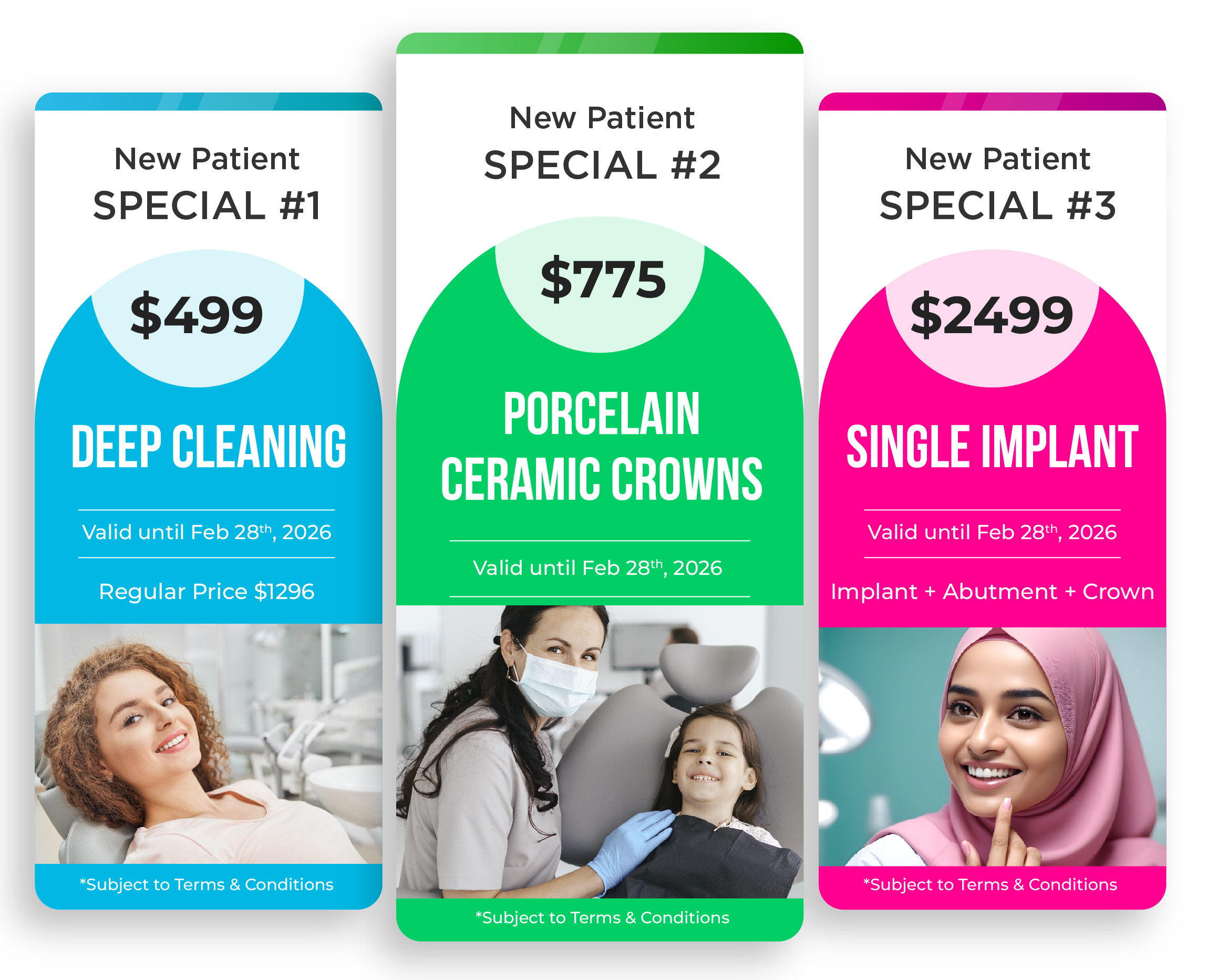
Cost is often the first question patients ask about dental implants in Plano, TX. While implants represent a significant investment, their longevity and functional benefits often justify the expense compared to repeated replacements of bridges or dentures.
Typical Cost Breakdown
A single-tooth implant restoration in the Plano area generally includes three components:
- Implant post: The titanium screw placed surgically into the bone.
- Abutment: The connector piece that attaches the crown to the implant.
- Crown: The visible restoration that mimics a natural tooth.
When combined, these components reflect the total cost of a single implant restoration. Your dentist will provide an itemized estimate during your consultation, breaking down each component so you understand exactly what you’re paying for.
Insurance and Financing Options at Shifa Dental
Many dental insurance plans offer partial coverage for dental implants, though implants are sometimes classified as cosmetic and excluded. At Shifa Dental, we accept most insurance plans, including children’s Medicaid and CHIP. Our billing team will verify your coverage and explain what your plan covers.
For uninsured or out-of-pocket costs, we offer several affordable options:
- Shifa Dental Saving Plan: A membership plan designed for uninsured patients, offering discounted rates on implants and other major procedures.
- 0% Interest Financing: Spread your implant cost over 12–24 months with no interest charges.
- CareCredit: A third-party healthcare credit card offering flexible payment terms.
- No Hidden Fees Policy: All costs are quoted upfront, and you’ll never be surprised by unexpected charges.
We believe quality dental care should be accessible. If cost is a concern, discuss your budget with our team—we can often find a solution that works for you.
What to Expect: Before, During, and After Implant Surgery
Pre-Surgery Preparation
Before your implant placement appointment, avoid aspirin and blood-thinning medications (consult your physician), eat a light meal beforehand, and arrange transportation if you’ll be sedated. Wear comfortable, loose-fitting clothing, and plan to rest for the remainder of the day after surgery.
During Surgery
You’ll receive local anesthesia to numb the area; if you’re anxious, sedation options are available at Shifa Dental. Most patients report feeling pressure and vibration but not pain during the procedure. The actual implant placement typically takes 1–2 hours, depending on complexity. Many patients are surprised by how quickly it’s over.
Post-Surgery Recovery
Mild swelling, bruising, and discomfort are normal for 3–7 days. Over-the-counter pain relievers (ibuprofen or acetaminophen) manage discomfort well. Avoid strenuous activity, smoking, and alcohol for at least one week. Stick to soft foods for the first few days, then gradually return to a normal diet, avoiding the implant site for several months until osseointegration is complete.
Your dentist will schedule follow-up appointments to monitor healing. Any signs of infection, excessive swelling, or fever warrant immediate contact with your dental office.
Comparing Implants to Other Tooth Replacement Options
When you’re missing a tooth, three main restoration options exist: dental implants, fixed bridges, and dentures. Each has trade-offs:
| Restoration Type | Lifespan | Bone Preservation | Adjacent Teeth Impact |
|---|---|---|---|
| Dental Implants | 25+ years | Preserves bone; prevents resorption | No damage; independent restoration |
| Fixed Bridge | 7–10 years | Does not prevent bone loss | Requires grinding healthy teeth |
| Dentures (Partial or Full) | 5–7 years | Accelerates bone resorption | No direct impact |
All-on-4 Implants: Full-Mouth Restoration in Plano
For patients missing all or most of their teeth, All-on-4 dental implants offer a transformative solution. Instead of placing 8–10 individual implants, this technique uses just four strategically positioned implants to support a full arch of teeth (upper, lower, or both). The four implants are angled to maximize bone contact and distribute forces evenly, making this approach highly efficient.
All-on-4 implants are fixed (non-removable) and function like natural teeth—you brush and floss them normally. Many patients report that All-on-4 has dramatically improved their quality of life, restoring their ability to eat, speak, and smile with confidence. Shifa Dental offers free second-opinion consultations for All-on-4 cases, so if you’re exploring this option, reach out to our Plano or Garland office.
Implant Maintenance and Long-Term Care
Your dental implant is designed to last decades, but its longevity depends on your commitment to care:
- Brush twice daily: Use a soft-bristled toothbrush and non-abrasive toothpaste. Electric toothbrushes are excellent for implants.
- Floss daily: Implants require the same plaque removal as natural teeth. Use traditional floss, water flossers, or interdental brushes.
- Professional cleanings every 6 months: Regular visits allow your dentist to monitor the implant and remove tartar buildup that home care cannot.
- Avoid smoking and excessive alcohol: Both compromise bone health and implant stability.
- Manage systemic conditions: Diabetes, heart disease, and autoimmune disorders can affect implant longevity. Work with your physician to keep these controlled.
- Avoid hard or sticky foods: Chewing on ice, hard candy, or sticky caramel can damage the crown or stress the implant.
With these habits, your Dental Implants in Plano TX can remain functional and beautiful for 25+ years, making them one of the best investments you can make in your oral health.
Common Questions About Dental Implants in Plano, TX
How long do dental implants last in Plano, TX?
With proper care and maintenance, dental implants in Plano, TX can last 25 years or longer. Some implants placed 30+ years ago are still functioning perfectly. The crown may need replacement after 15–20 years due to normal wear, but the implant post itself is designed to be permanent.
Are dental implants painful?
The implant placement procedure is performed under local anesthesia, so you should not feel pain during surgery—only pressure and vibration. Post-operative discomfort is typically mild to moderate and manageable with over-the-counter pain relievers for 3–7 days. Most patients report the experience is far less uncomfortable than they anticipated.
Can anyone get dental implants in Plano?
Most adults in good general health are candidates for dental implants Plano TX procedures. However, certain conditions (uncontrolled diabetes, active gum disease, insufficient bone volume, or heavy smoking) may require additional planning or treatment first. A comprehensive exam at Shifa Dental will determine your candidacy.
What happens if a dental implant fails?
Implant failure is rare (affecting fewer than 5% of cases) but can occur if osseointegration doesn’t happen, infection develops, or the implant is damaged. If failure occurs early (within the first year), the implant can be removed and replaced after the site heals. Your dentist will discuss warning signs and preventive strategies during your consultation.
Do I need bone grafting for dental implants?
Not all patients need bone grafting. Your dentist will assess your bone volume during the consultation using 3D imaging. If your jawbone has adequate height and width, grafting is unnecessary. If bone volume is insufficient, grafting rebuilds the foundation, taking 3–6 months before implant placement can proceed.
How much do dental implants cost in North Dallas?
The cost of dental implants in Plano, TX varies based on the number of implants, bone grafting needs, and crown material. Your dentist will provide a detailed estimate during your consultation. Shifa Dental accepts most insurance plans and offers financing options including 0% interest plans, CareCredit, and our Saving Plan for uninsured patients.