


Teeth can shift after orthodontic treatment that happens gradually, so you might not notice it right away. Wearing a properly fitted retainer helps hold your teeth in their intended positions while your mouth adjusts after treatment.
If you’re considering dental retainers in Garland, Shifa Dental can help you understand your options and how to care for your appliance. The right retainer depends on your dental needs, previous treatment, comfort preferences, and how consistently you can wear it. You can have the best dental retainers at Shifa Dental.
Key Takeaways
- Retainers help keep teeth from shifting after orthodontic treatment.
- Different retainers suit different patients and lifestyles.
- Proper cleaning helps prevent further damage and buildup.
- A retainer should fit comfortably without causing unusual pressure or pain.
- Regular dental visits can identify problems with your retainer or teeth early.
Why Do You Need a Dental Retainer?
Think of your teeth as having a memory. After braces or aligners move them, the surrounding tissues and bone need time to adapt to their new positions. Teeth can move toward their previous locations without retention. It doesn’t mean your teeth will suddenly become crooked overnight. Changes are gradual. You may first notice a small gap, a slightly crowded tooth, or a retainer that doesn’t feel quite the same.
Wearing a retainer becomes a simple part of their normal routine for many patients. Some dental retainers wear it more often during the early period after treatment, while others eventually move to a nighttime schedule based on their dentist’s or orthodontist’s recommendations.
Types of Dental Retainers
Not all retainers seem the same as expected. The main options include removable clear retainers, traditional wire retainers, and fixed retainers.
1- Clear Retainers
Clear retainers are thin appliances made to fit over your teeth. Many people even like them because they’re easy to remove for meals and cleaning. However, they need to be handled carefully. Clear retainers can also become cloudy or develop an odor when they’re not cleaned regularly. A few minutes of daily care can make a noticeable difference.
2- Traditional Wire Retainers
Traditional retainers even use wire attached to an acrylic portion that are avaialble inside the mouth. They’re removable and can provide reliable retention when worn as directed. Some patients find this style less discreet than a clear retainer. Others prefer the familiar design and feel comfortable wearing it.
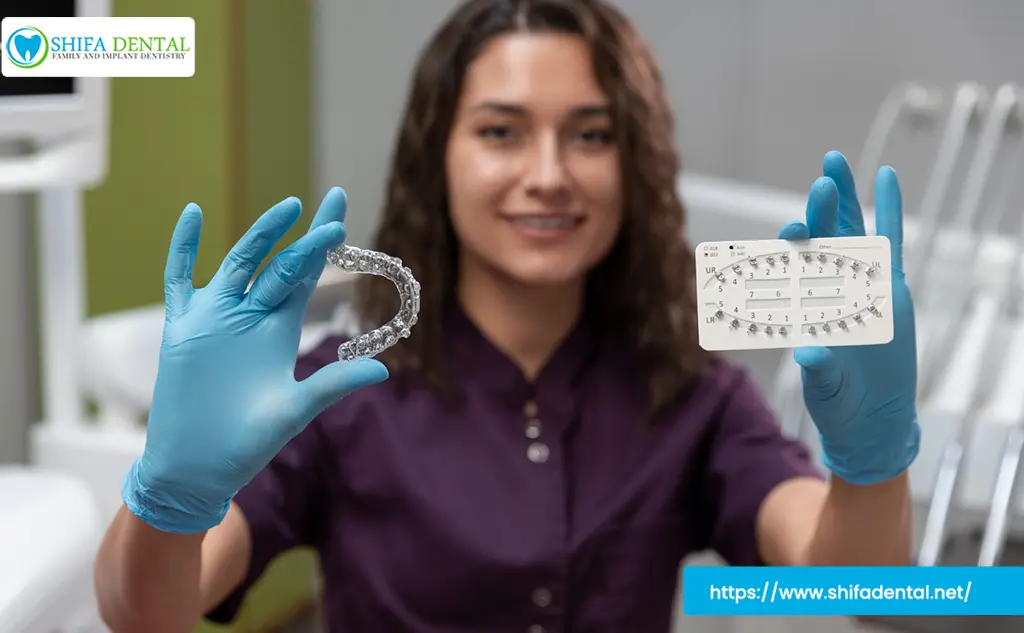
Your dental provider can discuss whether this type of retainer makes sense for your particular situation.
3- Fixed Retainers
A fixed retainer is attached to the back surface of certain teeth, usually with dental bonding. Because it stays in place, you don’t have to remember to put it in every night. Food and plaque can collect around the bonded area if brushing and flossing aren’t thorough.
Fixed retainers also need periodic checks. If the bonding loosens or the wire becomes damaged, contact your dental office rather than trying to fix it yourself.
Choosing the Right Retainer for Your Lifestyle
The best retainer isn’t necessarily the one that looks best on paper. It needs to be something you can actually use consistently. Someone who has trouble remembering nightly routines may prefer discussing a fixed option with a dental professional.
Your previous orthodontic treatment also matters. The amount of tooth movement, location of the teeth, bite, and other factors can influence which retention method is appropriate.
If you’re searching for Dental Retainers In Garland, talk with a dental professional before buying an appliance online or using an old retainer that no longer fits. A retainer needs to match your teeth properly.
What Happens If You Stop Wearing Your Retainer?
This is one of the most common questions patients have. The answer varies from person to person. Some people may notice movement relatively quickly, while others may not see an obvious change for a longer period. Either way, skipping retention can allow teeth to shift.
You may notice that your retainer feels tighter when you eventually put it back in. That can be a sign that your teeth have moved.
Don’t force a retainer that doesn’t fit comfortably. If it won’t seat properly, feels unusually tight, or causes significant discomfort, it’s better to have your teeth and appliance checked.
Keep Your Retainer Away From These Habits
- Don’t wrap your retainer in a napkin during meals.
- Don’t use boiling or very hot water to clean it.
- Don’t leave it loose in a bag or pocket.
- Don’t use harsh household cleaners unless your dental professional specifically recommends them.
- Don’t keep wearing a damaged appliance without having it checked.
How Shifa Dental Can Help
Retainer care is easier when you have a dental team you can contact when something doesn’t feel right. Shifa Dental can evaluate your teeth, examine your retainer, and discuss appropriate options based on your situation. A professional evaluation is especially helpful if your retainer has been lost, damaged, or doesn’t fit as it once did. Rather than guessing whether you can continue using it, you can have the appliance checked.

The same applies if you’re considering a replacement. Your dental provider can help you understand your choices and decide what makes sense for your smile. For patients looking for Dental Retainers In Garland, having access to professional guidance can take some of the guesswork out of retention.
Dental Retainers in Garland
Retention is the quiet part of treatment that helps protect the result once the active movement is finished. A dental evaluation can give you a clear answer, whether you’re replacing an old appliance, starting retention after orthodontic treatment, or simply wondering why your current retainer feels different.
If you’re considering dental retainers in Garland, TX, Shifa Dental can help you understand your options and care for your retainer properly. The goal isn’t to add another complicated task to your day. It’s simply to make retention a manageable habit that helps you enjoy your smile for years to come.
FAQ‘s:
The recommended schedule varies based on your orthodontic history, tooth movement, and individual needs. Some patients may need more frequent wear initially and transition to nighttime use later.
It’s generally best to remove a removable retainer before eating unless your dental professional has given you different instructions. Food can become trapped against the appliance, and chewing may damage some retainer materials.
Don’t force it into place if it feels unusually tight or won’t seat properly. Contact your dental office for an evaluation. Your teeth may have shifted, or the retainer itself may have changed shape.
Rinse it with cool or lukewarm water and follow your dental provider’s recommended cleaning method. Avoid hot water because heat can damage or distort some retainers.
Start by scheduling an evaluation with a local dental provider. Shifa Dental can discuss your retainer needs, available options, fit, care, and replacement considerations so you can make an informed decision.