



The first day after a tooth extraction can be difficult, especially if you don’t know what to eat, how to clean your mouth, or whether some bleeding is normal. Although you may want to resume your regular activities as soon as possible, letting the extraction site heal properly can significantly improve your recovery.
Knowing what to expect can help you feel more comfortable if you’ve recently had a tooth extracted or are preparing for the procedure. Whether the tooth was removed because of severe decay, an infection, a fracture, or another dental issue, patients seeking tooth extraction in Garland TX should understand that proper aftercare is an essential part of treatment.
At Shifa Dental, patients can discuss tooth extraction, recovery guidelines, and aftercare instructions based on their individual needs. A few simple precautions can help protect the healing area and reduce the risk of complications, even though every extraction is different.
Key Points
- Apply consistent, firm pressure to the gauze as instructed after your extraction.
- Protect the blood clot that forms in the socket to support healing.
- Avoid smoking, using straws, vigorous rinsing, and forceful spitting during the early healing period.
- Choose soft foods that require minimal chewing for the first few days.
- Brush your other teeth gently, avoiding the extraction site.
- Follow your dentist’s instructions regarding mouth rinses and pain medication.
- Contact your dentist if pain or swelling worsens or bleeding continues despite applying firm pressure.
- Attend follow-up appointments when recommended to monitor your recovery.
What Happens After a Tooth Extraction?
Your body begins healing the area as soon as a tooth is removed. A blood clot forms in the empty socket, covering the underlying tissue and protecting it while new tissue develops.
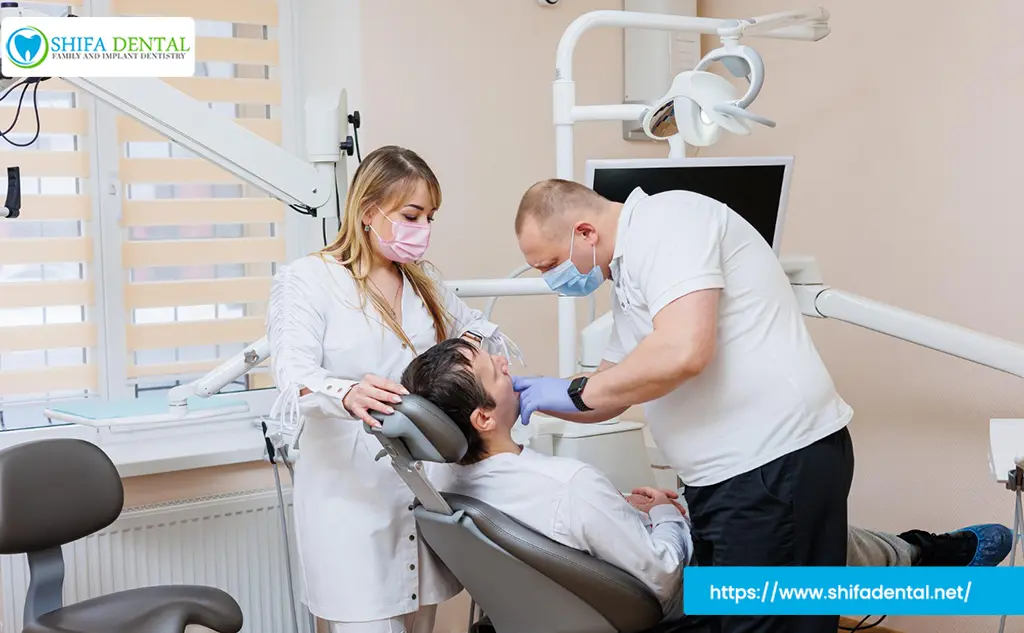
This clot is essential to normal healing. If it dislodges too soon, it can cause dry socket, a painful condition that exposes sensitive tissue and can delay recovery.
During the first day, some discomfort, swelling, and a small amount of blood mixed with saliva are normal. Discomfort depends on the tooth’s condition, the type of extraction (simple or surgical), and your overall health.
How Long Does Recovery Take?
After a simple extraction, many patients notice an improvement within a few days. However, the gum tissue takes longer to close completely, and the underlying bone may need several weeks or months to heal.
If you had an infection before treatment, required a surgical extraction, or had an impacted tooth removed, your recovery may take longer. Instead of comparing your progress with someone else’s, follow your dentist’s instructions and give your mouth time to heal.
Protect the Extraction Site During the First 24 Hours
The first day is especially important because the blood clot needs time to form and remain in place. Avoid activities that could disturb the socket, even if you feel well enough to return to your normal routine.
Use Gentle Pressure to Control Bleeding
Before you leave the dental office, your dentist may place gauze over the extraction site. Bite down firmly and steadily for the time your dental team recommends, and replace the gauze only as directed.
A small amount of blood mixed with saliva can make bleeding appear heavier than it actually is. However, persistent active bleeding requires attention if it continues despite applying firm, steady pressure.
Keep these tips in mind:
- Sit upright or rest with your head slightly elevated.
- Avoid repeatedly lifting the gauze to check the extraction site.
- Avoid chewing on the gauze or talking excessively while holding it in place.
- Call your dentist if the bleeding doesn’t stop or continues despite following the recommended instructions.
- Seek immediate medical attention if bleeding is heavy or you feel weak or dizzy.
What Can You Eat After a Dental Extraction?
You don’t need to follow an overly restrictive diet while recovering. The easiest approach is to choose soft, nutritious foods that you can swallow and eat without putting pressure on the extraction site.
Cool or lukewarm foods are often more comfortable than hot foods during the first day. Wait until the numbness from local anesthesia has worn off enough for you to chew safely before eating.
Easy-to-Eat Soft Foods
Consider adding these options to your meals while your mouth heals:
- Yogurt: Smooth, easy to swallow, and requires little chewing.
- Mashed potatoes: Soft, filling, and easy to eat.
- Scrambled eggs: A good source of protein when prepared softly and allowed to cool.
- Oatmeal: A suitable option when it’s soft and not too hot or thick.
- Applesauce: An easy choice that doesn’t require chewing.
- Soft pasta: Cook it until tender and allow it to cool before eating.
- Soup: Choose lukewarm soup without hard or crunchy pieces.
Try to eat regular meals rather than skipping them because your mouth feels sore. Drinking enough water is also important, but use a cup instead of a straw.
How Shifa Dental Can Help
Having a tooth extracted can feel stressful, especially if you’ve never undergone the procedure before. Understanding how to care for your mouth afterward can help you feel more prepared.
At Shifa Dental, patients can discuss dental infections, severe decay, damaged teeth, and other reasons a tooth may need to be removed. Your dentist can evaluate the tooth, explain whether tooth extraction is necessary, and provide recovery instructions tailored to your situation.
If you’re searching online for tooth extraction near me or dental removal in Garland, TX, look for a dental clinic that explains your options and provides clear aftercare instructions. In some cases, alternatives may be available to preserve the natural tooth, so it’s worth discussing these possibilities with your dentist before making a decision.
After your dental visit, you should understand what to expect, how to care for the extraction site, and whom to contact if a problem develops.
Schedule Appointment for tooth extraction in Garland
You don’t have to put your life on hold for weeks while recovering from a tooth extraction. Protecting the blood clot, eating tasty foods, maintaining oral hygiene, and following your dentist’s advice can support healing as you gradually return to your normal routine.
Shifa Dental can help you understand your next steps if you’ve had a tooth extracted or believe you may need one. The most important thing is to follow your procedure-specific instructions and contact your dental team if something doesn’t seem right.
Frequently Asked Questions:
Apply firm pressure with the gauze for as long as your dentist recommends, often about 30 to 60 minutes initially. If bleeding continues, replace the gauze only as directed. Contact your dentist if significant bleeding persists despite applying firm pressure.
You can usually start eating soft foods once the anesthesia has worn off enough to eat safely. Gradually introduce firmer foods as you feel more comfortable. Avoid hard, crunchy, or sharp foods until the extraction site has healed sufficiently.
You can generally brush your other teeth gently on the day of the extraction, but avoid disturbing the socket. Follow your dentist’s specific instructions about brushing near the extraction site and when to begin gentle rinsing.
Yes. Some swelling is normal after an extraction and may peak 48 to 72 hours after the procedure before improving. Contact your dentist if swelling continues to worsen or occurs with a fever, pus, or other concerning symptoms.
Contact your dentist if your pain worsens, bleeding doesn’t stop, swelling increases, you develop a fever, or you notice signs of dry socket. Seek emergency medical attention if you have difficulty breathing or swallowing.