


A popular and important component of oral healthcare is dental fillings. They help patients restore their smiles and maintain healthy dental function by repairing teeth that have been harmed by disease or trauma. There are a number of materials to take into account when selecting types of dental fillings, each with unique advantages and disadvantages.
To help you make wise choices regarding your oral health, we will examine the most popular kinds of dental fillings in Garland, TX and balance their benefits and drawbacks in this thorough guide.
Types of Dental Fillings in Garland & Plano
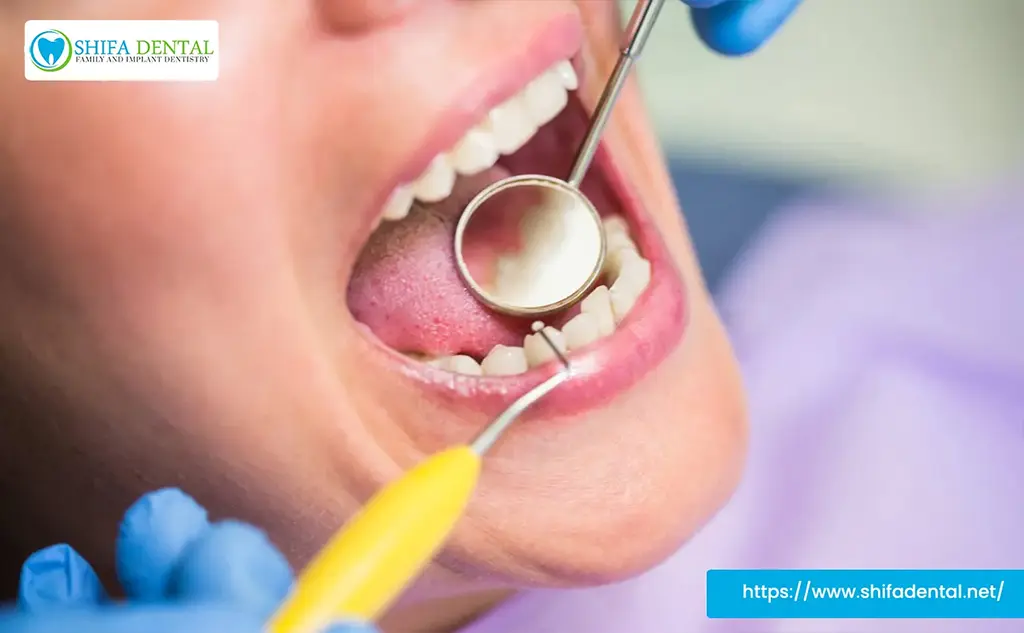
Are you looking for dental fillings near me? Understanding the different kinds of dental fillings is important when thinking about getting one. Composite resins are perfect for places that are visible and mix in well with natural teeth. Amalgam fillings are frequently used in back teeth because they are strong and composed of a combination of metals.
If you’re looking for solutions, dental fillings in Plano, TX will help you locate nearby dentists who provide these customized treatments.
1. Amalgam Fillings (Silver Fillings)
Pros:
- Durability: Amalgam fillings are a great option for molars and teeth that can tolerate significant chewing pressure because of their reputation for longevity and durability.
- Cost-Effective: Many patients can use them because they are less expensive than certain other materials.
- Quick Process: Amalgam fillings are usually placed more quickly than some other materials, which cuts down on chair time.
Cons:
- Aesthetics: Compared to tooth-colored choices, silver can be less aesthetically pleasing and more apparent, especially on front teeth.
- Mercury Content: Although dental authorities have pronounced amalgam to be safe, some patients have expressed concerns about its mercury content.
- Potential Tooth Discoloration: Amalgam fillings may cause a greyish discoloration in the tooth over time.
2. Composite Fillings
Pros:
- Aesthetic Appeal: Composite fillings are a great option for areas that are noticeable because they are tooth-colored and blend in perfectly with natural teeth.
- Versatility: They offer a flexible choice for dental restorations since they may be applied to both front and back teeth.
- Conservation of Tooth Structure: Composite fillings are a more conservative choice since they entail less destruction of healthy tooth structure.
- Bonding Strength: Composite fillings might offer additional support because of their strong link with the tooth.
Cons:
- Durability: Composite fillings may not survive as long as amalgam or other materials, particularly in high-stress locations, despite their durability.
- Cost: They are frequently more costly than amalgam fillings, which some patients may find prohibitive.
- Sensitivity: Following treatment, patients may have some sensitivity.
3. Gold Fillings
Pros
- Durability: Gold fillings are renowned for their durability and strength; some can endure for several decades.
- Tissue-Friendly: Gold is less likely to trigger allergic reactions or gum inflammation because it is a biocompatible substance.
- Precision: Because gold fillings are made outside the mouth, accurate fits and less chair time are possible.
Cons:
- Aesthetics: The gold shade, which can be viewed as a cosmetic detriment, is the clear downside.
- Cost: Since gold fillings are among the priciest options, some patients may not be able to afford them.
- Invasive Procedure: Compared to other materials, more healthy tooth structure may need to be removed in order to prepare a tooth for a gold filling.
4. Ceramic Fillings
Pros:
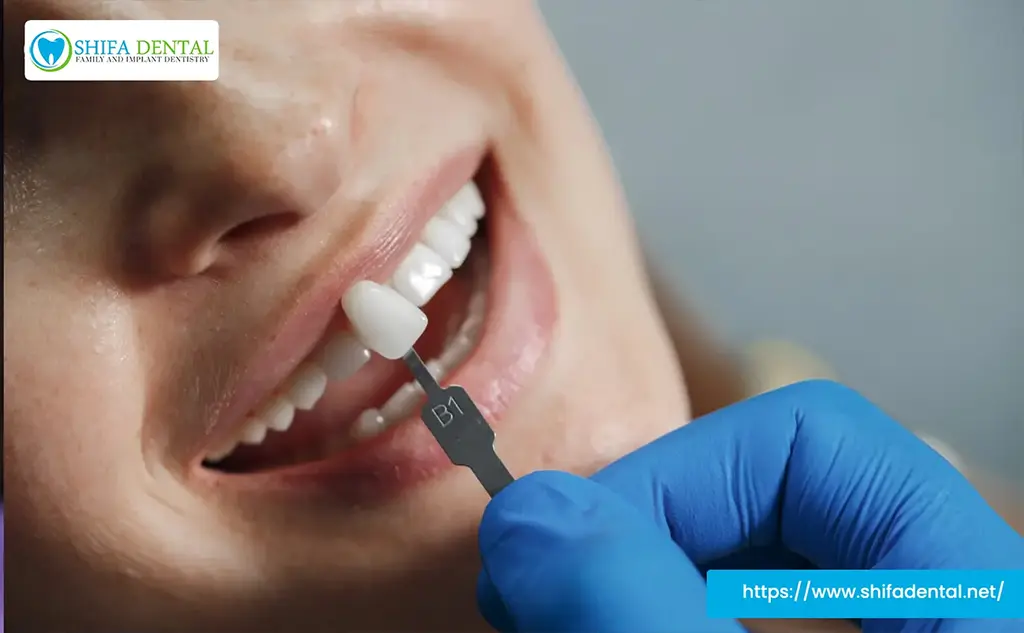
- Aesthetic Excellence: Ceramic fillings are renowned for their organic look and ability to fit in perfectly with the surrounding teeth.
- Biocompatible: They reduce the possibility of allergies or sensitivities because they are biocompatible and generally well-tolerated by patients.
- Durability: Ceramic fillings are robust and resistant to the strains of back tooth chewing.
Cons:
- Cost: They are often more costly than amalgam fillings, and in certain situations, insurance may not cover them.
- Brittleness: Compared to other materials, ceramic fillings may be more brittle, raising the possibility of fracture, particularly in high-stress locations.
- Fabrication Time: Because ceramic fillings are frequently custom-made in a dental laboratory, their production may take longer.
5. Ionomer Glass Fillings
Pros
- Biocompatibility: The majority of patients tolerate glass ionomer fillings well, and they are biocompatible.
- Adhesion: They form a strong link with the tooth structure, which may offer more support.
- Fluoride Release: Glass ionomer fillings release fluoride, which can help stop more tooth decay.
Cons:
- Durability: They might not be appropriate for high-stress environments and are not as robust as certain other materials.
- Aesthetics: Because glass ionomer fillings are often translucent and might discolor over time, they might not be as cosmetically pleasant as tooth-colored alternatives.
- Restricted Uses: They work best as temporary fillings or in non-load-bearing places like deciduous teeth.
6. Resin and Ceramic Inlays/Onlays
Pros
- Aesthetic Excellence: Inlays and onlays have a natural appearance that merges in perfectly with the surrounding teeth, making them extremely aesthetically pleasing.
- Strength: They are appropriate for both front and back teeth due to their exceptional strength and longevity.
- Conservation of Tooth Structure: By minimally removing good tooth structure, these restorations maintain the integrity of the tooth.
Cons:
- Cost: Because they are custom-made, inlays and onlays are usually more costly than conventional fillings.
- Two-Step Process: The initial preparation and the restoration’s placement are the two processes in this process.
- Laboratory Time: If custom fabrication takes longer than expected, a temporary filling may be needed in the interim.
Ending Lines
The location of the tooth, aesthetic concerns, cost, and personal preferences all play a part in selecting the best types of dental fillings in Garland or Plano. To make an informed choice based on your unique needs and circumstances, it is crucial to speak with your dentist. Each filling material’s advantages and disadvantages provide a range of options, guaranteeing that there is a perfect answer for everyone. Your dentist may offer tailored advice and assist you in achieving the best possible oral health and appearance by selecting the appropriate dental fillings.
FAQ‘s:
Common types of dental fillings include amalgam, composite resin, gold, ceramic, glass ionomer, and resin or ceramic inlays and onlays.
Composite and ceramic fillings generally provide the most natural appearance because they can be matched closely to your tooth color.
The lifespan of a filling depends on the material, the location of the tooth, your oral hygiene, and your chewing habits. Some fillings can last for many years, while others may need replacement sooner.
Getting a dental filling is usually performed with local anesthesia to keep you comfortable during treatment.
Shifa Dental dentist can recommend a filling material based on the size and location of the cavity, the condition of your tooth, your cosmetic preferences, and your budget.